Surgeonfishes
Sohal surgeonfish (Acanthurus sohal)
The Sohal surgeonfish (Acanthurus sohal) belongs to the family Acanthuridae (surgeonfishes) and is endemic to the Red Sea and the Gulf of Aden. It reaches about 40 cm and is found at 0–20 m depth. IUCN conservation status: Least Concern. Treat it with caution (danger): do not touch or handle it.
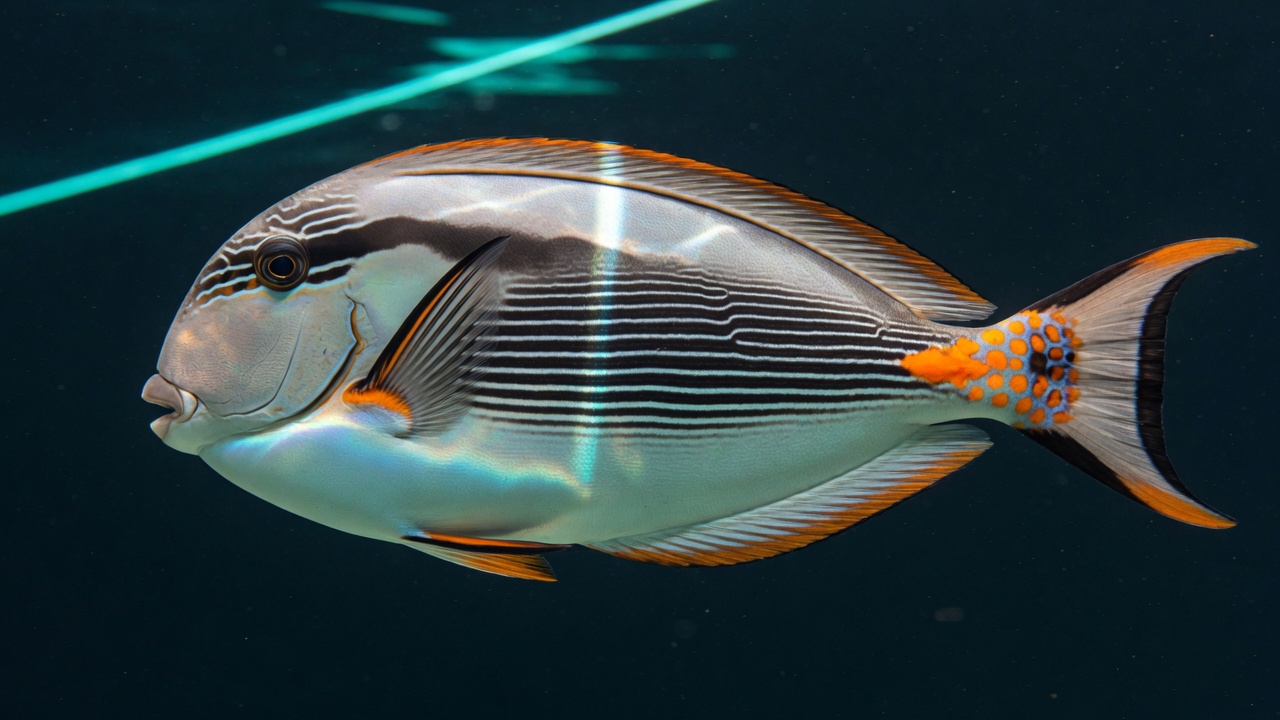
Quick facts
| Scientific name | Acanthurus sohal |
|---|---|
| Authority | Forsskål, 1775 |
| Family | Surgeonfishes (Acanthuridae) |
| Common name (IT) | Pesce chirurgo zebrato |
| Common name (EN) | Sohal surgeonfish |
| Maximum size | 40 cm |
| Depth | 0–20 m |
| Distribution | Endemic to the Red Sea and Gulf of Aden |
| IUCN status | LC — Least Concern |
| Hazard | Danger |
Description
Endemic to the Red Sea and the Gulf of Aden; it does not occur elsewhere in the Indo-Pacific.
Diving hazard — Danger: keep your distance, and never touch, corner or feed it.
Where it lives
Endemic to the Red Sea and the Gulf of Aden; it does not occur elsewhere in the Indo-Pacific.
- Crest egiziano
- Arabia
- Golfo Persico
Diving safety
Danger. This ray carries a serrated tail spine. Injuries occur when it is stepped on or cornered on the bottom — shuffle your feet and give it room.
If it happens
- Leave the water and control bleeding with direct pressure.
- Immerse the wound in hot water (about 45 °C) for 30–90 minutes.
- Watch for signs of shock; call for help if they appear.
After
- Seek medical care: the wound often retains spine fragments and infects easily. Tetanus cover if needed.
Frequently asked questions
- What family does the Sohal surgeonfish belong to?
- The Sohal surgeonfish (Acanthurus sohal) belongs to the family Acanthuridae (surgeonfishes).
- Is the Sohal surgeonfish dangerous?
- It needs caution: Danger. Keep your distance and do not touch or handle it.
- Is the Sohal surgeonfish endemic to the Red Sea?
- Yes — it lives only in the Red Sea and the Gulf of Aden.
- How big does the Sohal surgeonfish get?
- It reaches a maximum length of about 40 cm.
Explore the Sohal surgeonfish in 3D in the interactive atlas →